Showing posts with label food control. Show all posts

Thursday, August 21, 2008

Trying to uncover the cause of Morgellans

Agrobacterium & Morgellons Disease, A GM Connection?


Global Research, August 20, 2008

Preliminary findings suggest a link between Morgellons Disease and Agrobacterium, a soil bacterium extensively manipulated and used in making GM crops; has genetic engineering created a new epidemic?

A fully illustrated and referenced version is posted on ISIS members’ website. Details here.

An electronic version of the complete report, or any other complete ISIS report, can be sent to you via e-mail for a donation of £3.50. Please e-mail the title of the report to: report@i-sis.org.uk

CDC launch investigation on Morgellons’ Disease

The Centers for Disease Control (CDC) in the United States announced the launch of an investigation on ‘Morgellons Disease’ in January 2008 [1], after receiving thousands of complaints from people with this bewildering condition, which it describes as follows [2]: “Persons who suffer from this unexplained skin condition report a range of cutaneous (skin) symptoms including crawling, biting and stinging sensations; granules, threads, fibers, or black speck-like materials on or beneath the skin, and/or skin lesions (e.g., rashes or sores). In addition to skin manifestations, some sufferers also report fatigue, mental confusion, short term memory loss, joint pain, and changes in visions.”

Morgellons Disease first became known in 2001, when Mary Leitao created a web site describing the illness in her young son, which she named after a 17th century medical study in France describing similar symptoms [3]. Until then, people with Morgellons Disease have been diagnosed as cases of “delusional parasitosis”, in which the symptoms are deemed entirely imaginary, and lesions allegedly due to self-inflicted wounds.

Indeed, the debate over Morgellons Disease has continued in the pages of medical and scientific journals right up to the CDC’s announcement [4-7]

Dr. Michele Pearson, principal investigator for the CDC said [1] that the primary goals of the study are “to learn more about who may be affected with this condition, the symptoms they experience and to look for clues about factors that might contribute to the condition,” adding that the condition is “complex”, and “may be due to multiple factors.”

In response to questions from journalists at the CDC press conference, Pearson said:

“ We are aware that many patients have suffered from this condition. And, I can tell you that here at CDC, we have really been seeing an increasing number of these reports over the past year or so.”

CDC’s investigation is to be carried out in conjunction with Kaiser Permanente’s Northern California Division of Research and the US Armed Forces Institute of Pathology.

Dr. Joe Selby, Director of the Kaiser Permanente’s Northern California Division of Research, said the study would proceed in three stages. In the first stage, they will identify all members who may have seen a Kaiser Permanente physician with symptoms suggestive of this condition at any point during the 18 months between July 1 2006 and December 31, 2007, and determine whether they meet eligibility criteria for the study. In stage two, all eligible members will be invited to complete a comprehensive web based or telephone survey conducted by the CDC that examines the duration and severity of a variety of symptoms. And in stage three, those with active symptoms will be invited to the division of research for an extensive clinical examination including collection of skin biopsies, blood and urine samples.

In a paper [6] published in 2006, researchers from the Morgellons Research Foundation [3] identified the states of California, Texas and Florida as having the highest number of cases of Morgellons disease in the United States. Primary clusters were noted in Los Angeles and San Francisco (California) and Houston, Dallas and Austin (Texas). California accounted for 26 percent of cases in the US, but all 50 US states and 15 other nations, including Canada, the UK, Australia, and the Netherlands, have reported cases of Morgellons disease. The two main occupational groups reporting symptoms are nurses and teachers, with nurses outnumbering teachers three to one. The risk factor common to both groups is suspected to be the possibility of transmitted infectious agents.

Skin lesions and fibres may not be readily apparent in all individuals with the disease, as family members of patients often report similar systemic disease symptoms without skin symptoms. Families in which all members are affected often have suspected simultaneous exposure to an inciting agent. Contact with soil or waste products appears to be associated with the disease. Cases have been reported in cats and dogs, as well as horses.

What finally prompted CDC to investigate the disease? The Morgellons Research Foundation [3] was set up in 2002 in honour of Mary Leitao, the Foundation’s executive director. It publicises the plight of patients with similar conditions and operates a registry of afflicted families. The Foundation also funds scientific research. It has a Medical Advisory Board of seven with M.D. degree and two with nursing degrees. In addition, it has a Board of Nursing with five other nurses, and a Scientific Advisory Board of six scientists, all with Ph.D. degree; one of which is Vitaly Citovsky. It may have been Citovsky’s discovery last year that finally persuaded the CDC to announce an investigation.

The Agrobacterium connection

Vitaly Citovsky is a professor of molecular and cell biology at Stony Brook University in New York (SUNY). He is a world authority on the genetic modification of cells by Agrobacterium, a soil bacterium causing crown gall disease in plants, that has been widely used in creating genetically modified (GM) plants since the 1980s because of its ability to transfer a piece of its genetic material, the T-DNA on its tumour-inducing (Ti) plasmid to the plant genome (see later for details).

Citovsky’s team took scanning electron microscope pictures of the fibres in or extruding from the skin of patients suffering from Morgellons disease, confirming that they are unlike any ordinary natural or synthetic fibres (see Fig. 1, assembled from Citovsky’s website [8]).

Figure 1. Scanning electron microscope images of fibres from skin biopsies of patients with Morgellons Disease - a, white fibre with calcite, scale bar 10 mm; b, green fibre with alumina ‘rock’ protruding, scale bar 20 mm; c, various ribbon-like, cylindrical and faceted fibres all coated with minerals, scale bar 10 mm; d, skin lesion with fibres stabbing through the epidermis, scale bar 300 mm

They also analysed patients for Agrobacterium DNA. Skin biopsy samples from Morgellons patients were subjected to high-stringency polymerase chain reaction (PCR) tests for genes encoded by the Agrobacterium chromosome and also for Agrobacterium virulence (vir) genes and T-DNA on its Ti plasmid. They found that “all Morgellons patients screened to date have tested positive for the presence of Agrobacterium, whereas this microorganism has not been detected in any of the samples derived from the control, healthy individuals.” Their preliminary conclusion is that “Agrobacterium may be involved in the etiology and/or progression” of Morgellons Disease.

The unpublished findings have been posted on a website [8] since January 2007. They were further publicized in the “first ever” Morgellons conference in Austin Texas, attended by 100 in March 2008 [9]. A growing list of people are registered with Morgellons Disease, totalling 12 106 worldwide recorded by Morgellons Research Foundation [3], as of 12 April 2008.

San Francisco physician, Raphael Stricker, one of only a few doctors who believe the disease is real, said [9]. “There’s almost always some history of exposure to dirt basically either from gardening or camping or something.” He is one of the co-authors on the Agrobacterium research done in SUNY, which reported finding Agrobacterium DNA in all 5 Morgellons patients studied. Stricker suggests it is transmitted by ticks, like Lyme disease, and in a recent survey of 44 Morgellons patients in San Francisco, 43 of them also tested positive for the bacterium causing Lyme disease. Another factor consistent with Agrobacterium being a causative agent, if not the causative agent, is that when patients are treated with antibacterials for their Lyme disease, remission of Morgellons symptoms is seen in most of them [6].

Stricker also told his audience that Agrobacterium lives in the soil, and is known to cause infections in animals and human beings with compromised immune systems. It can cause skin lesions when injected into Swiss mice, a strain that is immune deficient, he said.

At this point, the findings on the Agrobacterium connection are still preliminary, as only seven patients have been studied. Nevertheless, the implications are far-reaching if this connection is confirmed, as existing evidence (reviewed below) suggests a link between Agrobacterium and genetic engineering in the creation of new disease agents, and it is paramount for the CDC investigation to include this aspect, if only to rule it out.

Agrobacterium and the genetic engineering connection

Agrobacterium not only infects human and other animal cells, it also transfers genes into them. It was SUNY professor Citovsky and his team that made the discovery some years ago [10]. Until then, the genetic engineering community had assumed that Agrobacterium did not infect animal cells, and certainly would not transfer genes into them.

Agrobacterium was found to transfer T-DNA into the chromosomes of human cells.

In stably transformed HeLa cells, the integration occurred at the right border of the T-DNA, exactly as would happen when it is being transferred into a plant cell genome, suggesting that Agrobacterium transforms human cells by a mechanism similar to that involved in transforming plants cells (see Box 1). Human cancer cells, neurons and kidney cells were all transformed with the Agrobacterium T-DNA. Commenting on this research in 2001, Joe Cummins had warned of hazards to laboratory and farm workers [11] (i-sis news11/12)

The Agrobacterium vector system for gene transfer

Since the discovery in the 1970s that Agrobacterium can transfer genes into plants causing crown gall disease, the soil bacterium has been developed into a vector for inserting desirable genes into the plant genome to create transgenic (GM) plants [12].

Agrobacterium transfers T-DNA – a small region of approximately 5 to 10 percent of a resident tumour-inducing (Ti) or root-inducing (Ri) plasmid – into numerous species of plants; and as later turns out, also to fungi, algae, and even animal and human cells [13, 14] (see main text).

Transfer requires three major elements [13]: T-DNA border direct repeat sequences of 25 base pairs that flank the T-DNA and delineate the region transferred into the host, the virulence (vir) genes located on the Ti/Ri plasmid, and various genes on the bacterial chromosome. Plant genes are also involved in the successful integration of T-DNA [15]. The T-DNA contains oncogenes (cancer genes or gene for forming tumours) and genes for synthesizing opines; none of which is essential for T-DNA transfer, so they can be deleted and replaced with genes of interest and selectable markers.

Furthermore, the vir genes and T-DNA region need not be on the same replicating plasmid. This gave rise to the binary vector systems in which T-DNA and the vir genes are located on separate replicating units. The T-DNA containing unit is the binary vector and contains also the origin(s) of replication that could function both in E. coli and Agrobacterium tumefaciens, and antibiotic resistance marker genes used to select for the presence of the binary vector in bacteria. The replicating unit containing the vir genes is the ‘helper’ plasmid. Strains of Agrobacterium harbouring the two separate units are considered ‘disarmed’ if they do not contain oncogenes that could be transferred to a plant.

The association of Morgellons Disease with dirt and soil where Agrobacterium lives, the widespread use of Agrobacterium in genetic engineering of plants, and the ability of Agrobacterium to infect human cells, all point towards a possible role of genetic engineering in the aetiology of Morgellans disease via Agrobacterium.

Extensive genetic manipulation of Agrobacterium does have the potential to transform it into an aggressive human pathogen. Genetic engineering is nothing if not enhanced and facilitated horizontal gene transfer and recombination, which is widely acknowledged to be the main route for creating new pathogens. Mae-Wan Ho was among an international panel of scientists have raised this very issue in 1998, calling for a public enquiry into the possible contributions of genetic engineering biotechnology to the aetiology of infectious diseases which has greatly increased since genetic engineering began in the 1970s [16].

The epidemiological data of Morgellons Disease are very incomplete, and the Morgellons Research Foundation’s registry of more than 12 000 families afflicted worldwide is almost certainly only a fraction of the emerging epidemic. Still, it is significant that the majority of the cases are in the United States, the first country to release GM crops and remaining the top producer ever since.

There are other findings implicating Agrobacterium in transgenic plants released into the environment, particularly during the early years of field trials, when knowledge was poor and safety measures not as stringent as they may be today.

Agrobacterium persists in transgenic plants and is a vehicle for gene escape

By the late 1990s, the Agrobacterium vector system became very widely used, and many GM crops created were commercially released.

Scientists at the Kinsealy Research and Development Centre in Dublin, Ireland, and the Scottish Crop Research Institute in Dundee, Scotland, were concerned that the inserted genes in plants would spread to wild populations by cross-pollination or by horizontal gene transfer to unrelated species, which was by then well-documented in the scientific literature.

They considered it “imperative” to address the risk posed in using Agrobacterium as a tool in genetic engineering [17], given its ability to transfer genes to plants. The transformation procedure involves inoculating the cells or tissue explants with Agrobacterium and co-cultivation the plant cells and bacterium for a short period, followed by the elimination of the bacterium with antibiotics.

However, if all the bacteria were not eliminated, then “release of these plants may also result in release of the Agrobacterium [with the foreign genes]”, which will serve as a vehicle for further gene escape, at least to other Agrobacterium strains naturally present in the soil.

Although various antibiotics have been used to eliminate Agrobacterium following transformation, the researchers stated that “very few authors actually test to ensure that the antibiotics succeed.”

The difficulty is compounded because the bacterium can remain latent within the plant tissue. So putting transgenic plant material into culture medium without antibiotics and finding no Agrobacterium is no guarantee that the transgenic plant is free of the bacterium, as was often assumed.

In their study, they investigated the ability of antibiotics to eliminate Agrobacterium tumefaciens after transformation in three model systems: Brassica (mustard), Solanum (potato), and Rubus (raspberry). The antibiotics carbenicillin, cefataxime and ticaracillin were used respectively to eliminate the bacterium at four times the minimum bactericidal concentration, as recommended. They found that none of the antibiotic succeeded in eliminating Agrobacterium.

The contamination levels increased from 12 to 16 weeks to such an extent that transgenic Solanum cultures senesced and died. Contamination in shoot material decreased over 16 to 24 weeks possibly because only the apical node was used in further culture, but even that did not eliminate Agrobacterium from all the samples; 24 percent remained contaminated at 24 weeks.

The binary vector was also present under non-selective conditions up to 6 months after transformation, where approximately 50 percent of contaminated material still harboured bacterial cells with the binary vector at high levels of about 107 colony forming units per gram. The researchers pointed out: “Here is where the possibility of gene escape arises. The presence of the disarmed Agrobacterium in the tissue would not be a problem if the binary vector had been lost, but now its survival and spread are real possibilities.” The binary vector contains the foreign genes as well as antibiotic resistance marker gene(s).

There is no limit to the foreign genes that can be inserted into the binary vector. A few years earlier, a research group in Israel had inserted a viroid that causes disease in citrus fruits into the disarmed Ti plasmid of Agrobacterium and used that to infect and transform several plant species including tomato (Lycopersicon esculentum) Gynura aurantiaca, avocado (Persea americana), and grapefruit (Citrus paradisi) grafted on Troyer citrange (Pancirus trifoliate x C. sinensis) [18]. Extracts prepared from tissues of the infected plants 38-90 days after inoculation were plated on selective media and found to contain large amounts of the engineered bacteria.

The researchers warned of “newly formed combinations of persistently transmitted viruses” coupled with “the opportunistic and systemically moving Agrobacterium vector infectious to a wide host range might eventually cause infection and damage to crop plants or natural vegetation” that are “not presently visited by the traditional vectors of the virus disease.”

In other words, Agrobacterium persisting in transgenic plants released into the environment has the potential to spread new diseases, and to plants that normally would not be infected by the disease agents. At the time, the researchers did not know that Agrobacterium would also infect animals and humans, and could spread new diseases to them as well.

Have these warnings been heeded by other researchers? There is no evidence they have been taken on board. Agrobacterium has since been shown to transform at least 80 different non-plant species including yeasts and other fungi, algae, mammalian and human cells, also the gram positive bacterium Streptomyces lividans. In a recent review, the researchers stated [14]: “Future research has to show whether Agrobacterium-mediated transformation contributed to horizontal gene transfer between microorganisms in the rhizosphere.”

But there is already evidence suggesting that Agrobacterium can indeed engage in horizontal gene transfer with a wide range of bacteria in the soil. (For more on horizontal gene transfer see [19] Horizontal Gene Transfer from GMOs Does Happen, SiS 38)

Agrobacterium gene transfer mechanisms similar to conjugation in bacteria

Ho first alerted regulators to the potential of Agrobacterium contaminating GM plants to facilitate the escape of transgenes in 2003 (see Living with the Fluid Genome [20] and The Case for A GM-Free Sustainable World [21] ISIS publications). By then, Gayle Ferguson and Jack Heinemann at the University of Canterbury, Christchurh, New Zealand, had already pointed out in a review that the process whereby Agrobacterium injects T-DNA into plant cells strongly resembles conjugation, the normal mating process between bacteria [22].

Conjugation, mediated by certain bacterial plasmids, depends on a sequence called the origin of transfer (oriT) on the DNA transferred. All other functions - called tra for trans-acting functions - can be supplied from unlinked sources. Thus, ‘disabled’ plasmids with no trans-acting functions, can nevertheless be transferred by helper plasmids, the same as the binary vector system of Agrobacterium (Box 1). The resemblance does not stop there.

The left and right borders of T-DNA are similar to oriT and can be replaced by it. Furthermore, the disarmed T-DNA binay vector, lacking oncogenes as well as virulence genes, can be helped by similar genes belonging to many other pathogenic bacteria. The trans-kingdom gene transfer apparatus of Agrobacterium and the conjugative systems of bacteria are both involved in transporting macromolecules, not just DNA but also protein.

Thus, transgenic plants with contaminating Agrobacterium [20] “have a ready route for horizontal gene escape, via Agrobacterium, helped by the ordinary conjugative mechanisms of many other bacteria that cause diseases, which are present in the environment.” In the process, new and exotic disease agents could be created.

Investigations on the role of Agrobacterium in Morgellons Disease urgently needed

The investigation launched by the CDC needs to clarify the role of Agrobacterium in the aetiology of Morgellons Disease as a matter of urgency. This should include:

  • Molecular characterization of Agrobacterium DNA sequences in Morgellans Disease patients
  • Design of suitable probes for diagnostic purposes and for monitoring soil samples and other suspected sources of infection
  • Introduction of stringent tests for Agrobacterium contamination for all transgenic plants already released or about to be released into the environment.


Original article posted here.

Friday, August 15, 2008

Killing the base of the food chain

Oceans On The Precipice Of Mass Extinctions And Rise Of Slime


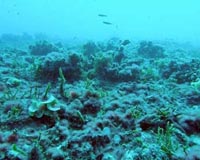
During a recent research expedition to Kiritimati, or Christmas Island, Jeremy Jackson and other researchers documented a coral reef overtaken by algae, featuring murky waters and few fish. The researchers say pollution, overfishing, warming waters or some combination of the three are to blame. Photo credit: Jennifer E. Smith
by Staff Writers
San Diego CA (SPX) Aug 15, 2008
Human activities are cumulatively driving the health of the world's oceans down a rapid spiral, and only prompt and wholesale changes will slow or perhaps ultimately reverse the catastrophic problems they are facing.

Such is the prognosis of Jeremy Jackson, a professor of oceanography at Scripps Institution of Oceanography at UC San Diego, in a bold new assessment of the oceans and their ecological health.

Publishing his study in the online early edition of the Proceedings of the National Academy of Sciences (PNAS), Jackson believes that human impacts are laying the groundwork for mass extinctions in the oceans on par with vast ecological upheavals of the past.

He cites the synergistic effects of habitat destruction, overfishing, ocean warming, increased acidification and massive nutrient runoff as culprits in a grand transformation of once complex ocean ecosystems. Areas that had featured intricate marine food webs with large animals are being converted into simplistic ecosystems dominated by microbes, toxic algal blooms, jellyfish and disease.

Jackson, director of the Scripps Center for Marine Biodiversity and Conservation, has tagged the ongoing transformation as "the rise of slime." The new paper, "Ecological extinction and evolution in the brave new ocean," is a result of Jackson's presentation last December at a biodiversity and extinction colloquium convened by the National Academy of Sciences.

"The purpose of the talk and the paper is to make clear just how dire the situation is and how rapidly things are getting worse," said Jackson.

"It's a lot like the issue of climate change that we had ignored for so long. If anything, the situation in the oceans could be worse because we are so close to the precipice in many ways."

In the assessment, Jackson reviews and synthesizes a range of research studies on marine ecosystem health, and in particular key studies conducted since a seminal 2001 study he led analyzing the impacts of historical overfishing.

The new study includes overfishing, but expands to include threats from areas such as nutrient runoff that lead to so-called "dead zones" of low oxygen. He also incorporates increases in ocean warming and acidification resulting from greenhouse gas emissions.

Jackson describes the potently destructive effects when forces combine to degrade ocean health. For example, climate change can exacerbate stresses on the marine environment already brought by overfishing and pollution.

"All of the different kinds of data and methods of analysis point in the same direction of drastic and increasingly rapid degradation of marine ecosystems," Jackson writes in the paper.

Jackson furthers his analysis by constructing a chart of marine ecosystems and their "endangered" status.

Coral reefs, Jackson's primary area of research, are "critically endangered" and among the most threatened ecosystems; also critically endangered are estuaries and coastal seas, threatened by overfishing and runoff; continental shelves are "endangered" due to, among other things, losses of fishes and sharks; and the open ocean ecosystem is listed as "threatened" mainly through losses at the hands of overfishing.

"Just as we say that leatherback turtles are critically endangered, I looked at entire ecosystems as if they were a species," said Jackson. "The reality is that if we want to have coral reefs in the future, we're going to have to behave that way and recognize the magnitude of the response that's necessary to achieve it."

To stop the degradation of the oceans, Jackson identifies overexploitation, pollution and climate change as the three main "drivers" that must be addressed.

"The challenges of bringing these threats under control are enormously complex and will require fundamental changes in fisheries, agricultural practices and the ways we obtain energy for everything we do," he writes.

"So it's not a happy picture and the only way to deal with it is in segments; the only way to keep one's sanity and try to achieve real success is to carve out sectors of the problem that can be addressed in effective terms and get on it as quickly as possible."

The research described in the paper was supported by the William E. and Mary B. Ritter Chair of Scripps Institution of Oceanography.

Original article posted here.

Monday, July 07, 2008

Food crisis, and the new divide between powerful and weak

G8 leaders to call for stockpiling basic grains

Toyko -Leaders of the Group of Eight (G8) industrialized nations will agree during their summit in Hokkaido to stockpile grains to better cope with future food crises, sources said.

The proposal would require each G8 nation to store specific amounts of grains and release them into the market in a coordinated effort to stabilize grain prices when necessary.

The plan will be included in a special document on the global food crisis to be adopted during the G8 summit at Lake Toyako scheduled to start Monday, diplomatic sources said.

The creation of the food stockpile system was agreed upon at a meeting of top officials of G8 nations preparing for the summit meeting.

The system is modeled after the International Energy Agency's program for stockpiling crude oil in preparation for an energy crisis.

Some grains, such as wheat, which cannot be stored for a long time, will be replenished to maintain the allocated stockpile amounts, according to the plan.

Currently, Japan and Germany are the only G8 nations that have surplus grains in stock.

The G8 nations will set up a council of experts to discuss details of the plan, including quotas for each participating nation, an inventory management system and the channels through which the grains will be released into the market.

However, uncertainty remains over how effective the system will be in stabilizing food prices. Many other variables have led to soaring prices and food shortages that have sparked unrest in some countries.

Export restrictions, for example, contribute to surging food prices. The special document will say that such export controls should be based on strict disciplinary rules, the sources said.

The document will also express concerns about excessive inflows of speculative funds into food markets, which has also pushed up prices. It will say that the markets should be open and efficient.

Referring to the growing use of grain-derived biofuel to power vehicles, the document will call for a balanced approach between production and use of grains in line with food security.

The Japanese government has planned its own countermeasures, totaling 1.1 billion dollars, to deal with food problems, including an additional 50 million dollars in emergency aid for struggling nations by October, through the UN World Food Program and bilateral channels.

Original article posted here.

Sunday, July 06, 2008

Powerful document about more crap polluting all our food

Donald Rumsfeld and aspartame


Guess what? He faked the evidence

Other names for aspartame: Equal, Nutrasweet, Sugar Twin

What was Donald Rumsfeld doing before he collaborated with George Bush and Dick Cheney to invade and destroy Iraq (and the US economy and military in the process?)

As CEO of G.D. Searle, he pimped for a chemical called "aspartame."

For eight years, even the highly corrupt FDA refused to certify aspartame as safe because it produced seizures and brain tumors in lab animals.

Then Ronald Reagan became president and removed the FDA commissioner who was blocking its acceptance.

Rumsfeld's company followed up by presenting the FDA "new and improved" studies showing the additive to be safe. The data presented was later proven to have been falsified.

Sound familiar?

Aspartame is everywhere

Take the time to watch this video if you or loved ones consume aspartame. It is a dangerous substance that causes cumulative damage to the brain and immune system.

The following products often have aspartame in them:

* Breath Mints
* Carbonated Soft Drinks
* Cereals
* Chewing Gum
* Flavored Syrups for Coffee
* Flavored Water Products
* Frozen Ice
* Frozen Ice Cream Novelties
* Fruit Spreads
* Gelatin, Sugar Free
* Hard Candies
* Ice cream Toppings
* Ice Creams, No Sugar Added or Sugar Free
* Iced Tea, Powder
* Iced Tea, Ready to Drink
* Instant Cocoa Mix
* Jams & Jellies
* Juice Blends
* Juice Drinks
* Maple Syrups
* Meal Replacements
* Mousse
* No Sugar Added Pies
* Non-Carbonated Diet Soft drinks
* Nutritional Bars
* Powdered Soft Drinks
* Protein Nutritional Drinks
* Pudding
* Soft Candy Chews
* Sugar Free Chocolate Syrup
* Sugar Free Cookies
* Sugar Free Ketchup
* Table Top Sweeteners
* Vegetable Drinks
* Yogurt, Drinkable
* Yogurt, Fat Free
* Yogurt, Sugar Free

Tuesday, June 17, 2008

Attacking the most vulnerable

Conflicts fuelled by climate change causing new refugee crisis, warns UN

· Total up 3m to 37.4m as downward trend reverses
· Figures exclude those fleeing natural disasters

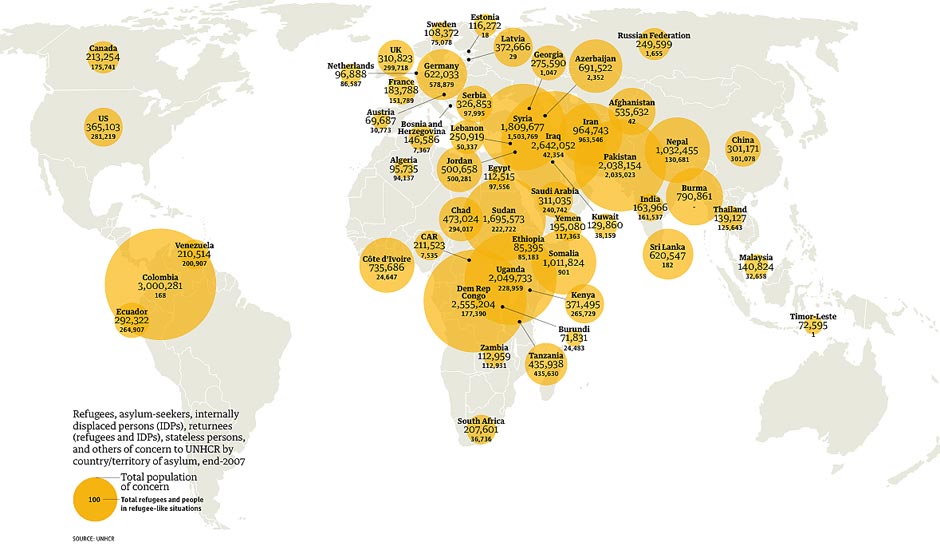
World refugees graphicView larger picture

Graphic showing the world's refugees. Click the magnifying glass for the full image

Climate change is fuelling conflicts around the world and helping to drive the number of people forced out of their homes to new highs, the head of the UN's refugee agency said yesterday. After a few years of improvement, thanks mainly to large-scale resettlement in Afghanistan, the numbers of civilians uprooted by conflict is again rising. During 2007 the total jumped to 37.4 million, an increase of more than 3 million, according to statistics published today.

The figures, described as "unprecedented" by the UN, do not include people escaping natural disasters or poverty - only those fleeing conflict and persecution. But Antonio Guterres, the UN high commissioner for refugees, said that climate change could also uproot people by provoking conflicts over increasingly scarce resources, such as water.

In an interview with the Guardian, Guterres said: "Climate change is today one of the main drivers of forced displacement, both directly through impact on environment - not allowing people to live any more in the areas where they were traditionally living - and as a trigger of extreme poverty and conflict."

Guterres, who has held the post since 2005, said the number of refugees was likely to continue to increase for the foreseeable future. "More and more the international community will be facing an acceleration of people on the move for all kinds of reasons," he said.

As climate change, a global economic slowdown, conflict and persecution fuelled each other, it would be increasingly hard to categorise those on the run.

"What we are witnessing is a trend in the world where more and more people feel threatened by conflict, threatened by their own government, threatened by other political, religious ethnic or social groups, threatened by nature and nature's retaliation against human aggression - climate change is the example of that. And also threatened by ... a slowdown in global growth, plus structural change in energy and food markets," Guterres said.

The Portuguese diplomat is visiting London to launch a week of events marking World Refugee Day on Friday. Today a reproduction of a relief camp in the Darfur region will be erected in Trafalgar Square to raise awareness of the problem.

Guterres said funding from world governments had failed to keep up with the challenge of caring for refugees, describing it as "out of proportion with the dimension of the problem".

The task is also hindered by the legal distinction between refugees, who flee across borders and automatically become the UNHCR's responsibility, and internally displaced persons (IDPs), who flee their homes but remain in their home countries. In 2007 there were estimated to be 26 million of them, and only half receive direct or indirect help from the UNHCR. "They remain under the protection of their own governments, but the governments are sometimes part of the problem rather than solution," Guterres said.

He said the UNHCR was not seeking to widen its 1951 mandate, but wanted a review of the status of IDPs, to ensure they received more international help.

Statistics published today by the UNHCR show that nearly half the world's refugees are Afghan (about 3 million, mostly scattered in Pakistan and Iran), or Iraqi (2 million, largely in Syria and Jordan). The world's largest population of IDPs is in Colombia, where 3 million people have driven from their homes by years of insurgency and counter-insurgency. There are 2.4 million IDPs thought to be in Iraq, a rise of 600,000 over the past year. Almost all refugees end up in camps in their region, rather than in the west, which admits relatively few.

Guterres was critical of Britain's record, particularly on refugees from Iraq. Only 15% of their applications for refugee status have been granted, he said, and the UK's asylum system "still requires people to demonstrate that they are targets of violence and persecution, which is not always easy in situations of widespread violence." But he added: "At the same time it is true that the UK is not deporting people to central and southern Iraq."

Original article posted here.

Monday, May 19, 2008

Bushmonkey trying to peddle poisons to the Third World

Bush's food crisis aid package now promotes genetically modified crops

Controversial language is added to the proposal. Opponents of bioengineered food say the White House wants U.S. agribusiness to reap rewards.

WASHINGTON -- The Bush administration has added a controversial ingredient to the $770-million aid package it recently proposed to ease the world food crisis: language that would promote the use of genetically modified crops in food-deprived countries.

The value or detriment of genetically modified, or bioengineered, food is an intensely disputed issue in the U.S. and in Europe, where many countries have banned foods made from genetically modified organisms.

Proponents say that genetically modified crops can result in higher yields from plants that are hardier in harsh climates.

"We certainly think that it is established fact that a number of bioengineered crops have shown themselves to increase yields through their drought resistance and pest resistance," said Dan Price, a food aid expert on the National Security Council.

Opponents of such crops allege that they can cause allergies, illnesses and unforeseen medical problems in those who consume them.

They also contend that the administration's plan is aimed at helping American agribusinesses such as Monsanto, which manufactures genetically modified varieties of seed.

"This is a hot topic now with the food crisis," said Ronnie Cummins, national director of the Organic Consumers Assn. "I think it's pretty obvious at this point that genetically engineered crops -- they may do a number of things, but they don't increase yields. There are no commercialized crops that are designed to deal with the climate crisis."

Bush proposed the food package two weeks ago as aid groups and the U.N. World Food Program pressed Western governments to provide additional funds to bridge the gap caused by rising food prices.

The aid must win congressional approval.

It would direct the U.S. Agency for International Development to spend $150 million of the total aid package on development farming, which would include the use of genetically modified crops.

The U.S. is already the U.N. food program's largest donor, providing nearly half of the help the group receives from governments. The U.S. gave about $1.1 billion to the program in both 2006 and 2007. Overall, the World Food Program provided $2.6 billion in aid in 2006. The U.N. estimates that 852 million people are facing a daily food emergency.

Some aid organizations say it is time to consider genetically modified crops in tough growing conditions.

"I think it's good, that it should be part of the package," said Mark Rosegrant, an environment and technology specialist with the International Food Policy Research Institute.

"It shouldn't be the only thing in the package. It is now showing quite a bit of potential in starting to address some of the long-term stresses, drought and heat. It improves yields in some of these very difficult environments."

But Noah Zerbe, an assistant professor of government and politics at Humboldt State University, said that genetically modified crops might not be appropriate for developing countries.

"You get fantastic yields if you're able to apply fertilizer and water at the right times, and herbicides to go along with that," Zerbe said. "Unfortunately, most African farmers, they can't afford these inputs."

The U.S. tried to introduce genetically modified crops to Africa in 2002, with mixed results. European Union opposition was part of the reason that several African nations balked at an offer of U.S. aid that included corn, some of which was genetically modified.

In the throes of a severe drought, Zambia rejected the U.S. aid altogether. Several other countries accepted the U.S. corn, but only after it was milled to prevent farmers from planting it and growing their own genetically modified corn.

The National Security Council's Price said the administration is working to persuade European nations to lift their objection to the use of such crops in Africa.

Rosegrant said that given current dire food shortages, new biosafety measures and negotiations with countries receiving aid could resolve such problems.

"There's evidence that those fears tend to be overblown," he said. "The crops they're exporting are not the crops that are genetically modified. It's a little too soon to tell, but it looks like there's some increasing acceptance because of the high food prices."

Original article posted here.

Thursday, April 24, 2008

Add food crisis to the list of global ailments

Shops ration sales of rice as US buyers panic

The global food crisis reached the United States yesterday as big retailers began to ration sales of rice in response to bulk purchases by customers alarmed by rocketing prices of staples.

Wal-Mart's cash and carry division, Sam's Club, announced it would sell a maximum of four bags of rice per person to prevent supplies from running short. Its decision followed sporadic caps placed on purchases of rice and flour by some store managers at a rival bulk chain, Costco, in parts of California.

The world price of rice has risen 68% since the start of 2008, but in some US shops the price has doubled in weeks.

Retail experts said there was little evidence of panic hoarding by the public but that restaurants and smaller retailers were buying up stocks at wholesalers in the expectation that the cost would go even higher. Shops said Filipino residents in the US were also making large purchases to send to relatives in the Philippines, where a shortage of supplies is causing concern.

"What you're seeing is people who buy in larger quantities, who have a restaurant or a corner store, stocking up because of media reports that prices could go higher," said Dave Heylen, a spokesman for the California Grocers Association.

The price of staple foods has been rising at an accelerating rate across the world, driven by what the United Nations has called a "perfect storm" of rising demand from developing countries such as China and India, the impact of climate change and policy responses by governments.

Since the beginning of the year, rice-producing countries including China, India, Vietnam and Egypt have imposed limits on exports to keep domestic prices down. This week, a top World Bank official predicted that Thailand, the world's largest rice exporter, might follow in restricting shipments.

The EU trade commissioner, Peter Mandelson, yesterday called on the World Trade Organisation to put pressure on food-producing countries to maintain exports. "If we restrict trade, we're simply going to add food scarcity to the already large problems of food shortages that exist in different countries," he told Reuters news agency.

The director of the UN's Food and Agriculture Organisation, Jacques Diouf, said the crisis had been building for decades. "The situation we are in is the result of inappropriate policies over the past 20 years," Diouf told journalists in Paris, pointing to a halving of aid to agriculture in developing countries between 1990 and 2000, while the industrialised world maintained generous farm subsidies.

British officials say they hope the food price shock will provide impetus for a long-delayed deal on liberalising world trade, known as the Doha round. They predict a possible breakthrough in the next few weeks. They also point out that the price rise could bring much-needed income to rural areas in Africa and elsewhere in the developing world if farmers are given enough support to respond.

Diouf said: "This is not Greek tragedy where fate is decided by the gods and humans can do nothing about it. No, we have the ability to influence our futures."

In Venezuela, President Hugo Chávez yesterday announced a $100m "food security fund", at a regional summit to agree policy as the crisis spreads instability across Latin America and the Caribbean.

Looting and riots in Haiti left at least six dead and forced the resignation of the prime minister this month, leaving the hemisphere's poorest country tense and edgy. In Guyana an 80% rise in the price of rice and 50% in the cost of chicken triggered protests and a strike by sugarcane workers. The government promised to issue seeds and urged people to cultivate idle land. Surinam set up an emergency cabinet committee to seek ways to dampen food prices.

Original article posted here.

Tuesday, April 22, 2008

Crushing countries through economics: The case of Haiti

30 Years Ago Haiti Grew All the Rice It Needed. What Happened?

The U.S. Role in Haiti's Food Riots

By BILL QUIGLEY

Riots in Haiti over explosive rises in food costs have claimed the lives of six people. There have also been food riots world-wide in Burkina Faso, Cameroon, Cote d’Ivorie, Egypt, Guinea, Mauritania, Mexico, Morocco, Senegal, Uzbekistan and Yemen.

The Economist, which calls the current crisis the silent tsunami, reports that last year wheat prices rose 77% and rice 16%, but since January rice prices have risen 141%. The reasons include rising fuel costs, weather problems, increased demand in China and India, as well as the push to create biofuels from cereal crops.

Hermite Joseph, a mother working in the markets of Port au Prince, told journalist Nick Whalen that her two kids are “like toothpicks” they’ re not getting enough nourishment. Before, if you had a dollar twenty-five cents, you could buy vegetables, some rice, 10 cents of charcoal and a little cooking oil. Right now, a little can of rice alone costs 65 cents, and is not good rice at all. Oil is 25 cents. Charcoal is 25 cents. With a dollar twenty-five, you can’t even make a plate of rice for one child.”

The St. Claire’s Church Food program, in the Tiplas Kazo neighborhood of Port au Prince, serves 1000 free meals a day, almost all to hungry children -- five times a week in partnership with the What If Foundation. Children from Cite Soleil have been known to walk the five miles to the church for a meal. The cost of rice, beans, vegetables, a little meat, spices, cooking oil, propane for the stoves, have gone up dramatically. Because of the rise in the cost of food, the portions are now smaller. But hunger is on the rise and more and more children come for the free meal. Hungry adults used to be allowed to eat the leftovers once all the children were fed, but now there are few leftovers.

The New York Times lectured Haiti on April 18 that “Haiti, its agriculture industry in shambles, needs to better feed itself.” Unfortunately, the article did not talk at all about one of the main causes of the shortages -- the fact that the U.S. and other international financial bodies destroyed Haitian rice farmers to create a major market for the heavily subsidized rice from U.S. farmers. This is not the only cause of hunger in Haiti and other poor countries, but it is a major force.

Thirty years ago, Haiti raised nearly all the rice it needed. What happened?

In 1986, after the expulsion of Haitian dictator Jean Claude “Baby Doc” Duvalier the International Monetary Fund (IMF) loaned Haiti $24.6 million in desperately needed funds (Baby Doc had raided the treasury on the way out). But, in order to get the IMF loan, Haiti was required to reduce tariff protections for their Haitian rice and other agricultural products and some industries to open up the country’s markets to competition from outside countries. The U.S. has by far the largest voice in decisions of the IMF.

Doctor Paul Farmer was in Haiti then and saw what happened. “Within less than two years, it became impossible for Haitian farmers to compete with what they called ‘Miami rice.’ The whole local rice market in Haiti fell apart as cheap, U.S. subsidized rice, some of it in the form of ‘food aid,’ flooded the market. There was violence, ‘rice wars,’ and lives were lost.”

“American rice invaded the country,” recalled Charles Suffrard, a leading rice grower in Haiti in an interview with the Washington Post in 2000. By 1987 and 1988, there was so much rice coming into the country that many stopped working the land.

Fr. Gerard Jean-Juste, a Haitian priest who has been the pastor at St. Claire and an outspoken human rights advocate, agrees. “In the 1980s, imported rice poured into Haiti, below the cost of what our farmers could produce it. Farmers lost their businesses. People from the countryside started losing their jobs and moving to the cities. After a few years of cheap imported rice, local production went way down.”

Still the international business community was not satisfied. In 1994, as a condition for U.S. assistance in returning to Haiti to resume his elected Presidency, Jean-Bertrand Aristide was forced by the U.S., the IMF, and the World Bank to open up the markets in Haiti even more.

But, Haiti is the poorest country in the Western Hemisphere, what reason could the U.S. have in destroying the rice market of this tiny country?

Haiti is definitely poor. The U.S. Agency for International Development reports the annual per capita income is less than $400. The United Nations reports life expectancy in Haiti is 59, while in the US it is 78. Over 78% of Haitians live on less than $2 a day, more than half live on less than $1 a day.

Yet Haiti has become one of the very top importers of rice from the U.S. The U.S. Department of Agriculture 2008 numbers show Haiti is the third largest importer of US rice - at over 240,000 metric tons of rice. (One metric ton is 2200 pounds).

Rice is a heavily subsidized business in the U.S. Rice subsidies in the U.S. totaled $11 billion from 1995 to 2006. One producer alone, Riceland Foods Inc of Stuttgart Arkansas, received over $500 million dollars in rice subsidies between 1995 and 2006.

The Cato Institute recently reported that rice is one of the most heavily supported commodities in the U.S. -- with three different subsidies together averaging over $1 billion a year since 1998 and projected to average over $700 million a year through 2015. The result? “Tens of millions of rice farmers in poor countries find it hard to lift their families out of poverty because of the lower, more volatile prices caused by the interventionist policies of other countries.”

In addition to three different subsidies for rice farmers in the U.S., there are also direct tariff barriers of 3 to 24 percent, reports Daniel Griswold of the Cato Institute -- the exact same type of protections, though much higher, that the U.S. and the IMF required Haiti to eliminate in the 1980s and 1990s.

U.S. protection for rice farmers goes even further. A 2006 story in the Washington Post found that the federal government has paid at least $1.3 billion in subsidies for rice and other crops since 2000 to individuals who do no farming at all; including $490,000 to a Houston surgeon who owned land near Houston that once grew rice.

And it is not only the Haitian rice farmers who have been hurt.

Paul Farmer saw it happen to the sugar growers as well. “Haiti, once the world's largest exporter of sugar and other tropical produce to Europe, began importing even sugar-- from U.S. controlled sugar production in the Dominican Republic and Florida. It was terrible to see Haitian farmers put out of work. All this sped up the downward spiral that led to this month's food riots.”

After the riots and protests, President Rene Preval of Haiti agreed to reduce the price of rice, which was selling for $51 for a 110 pound bag, to $43 dollars for the next month. No one thinks a one month fix will do anything but delay the severe hunger pains a few weeks.

Haiti is far from alone in this crisis. The Economist reports a billion people worldwide live on $1 a day. The US-backed Voice of America reports about 850 million people were suffering from hunger worldwide before the latest round of price increases.

Thirty three countries are at risk of social upheaval because of rising food prices, World Bank President Robert Zoellick told the Wall Street Journal. When countries have many people who spend half to three-quarters of their daily income on food, “there is no margin of survival.”

In the U.S., people are feeling the world-wide problems at the gas pump and in the grocery. Middle class people may cut back on extra trips or on high price cuts of meat. The number of people on food stamps in the US is at an all-time high. But in poor countries, where malnutrition and hunger were widespread before the rise in prices, there is nothing to cut back on except eating. That leads to hunger riots.

In the short term, the world community is sending bags of rice to Haiti. Venezuela sent 350 tons of food. The US just pledged $200 million extra for worldwide hunger relief. The UN is committed to distributing more food.

What can be done in the medium term? The US provides much of the world’s food aid, but does it in such a way that only half of the dollars spent actually reach hungry people. US law requires that food aid be purchased from US farmers, processed and bagged in the US and shipped on US vessels -- which cost 50% of the money allocated. A simple change in US law to allow some local purchase of commodities would feed many more people and support local farm markets.

In the long run, what is to be done? The President of Brazil, Luiz Inacio Lula da Silva, who visited Haiti last week, said “Rich countries need to reduce farms subsidies and trade barriers to allow poor countries to generate income with food exports. Either the world solves the unfair trade system, or every time there's unrest like in Haiti, we adopt emergency measures and send a little bit of food to temporarily ease hunger."

Citizens of the USA know very little about the role of their government in helping create the hunger problems in Haiti or other countries. But there is much that individuals can do. People can donate to help feed individual hungry people and participate with advocacy organizations like Bread for the World or Oxfam to help change the U.S. and global rules which favor the rich countries. This advocacy can help countries have a better chance to feed themselves.

Meanwhile, Merisma Jean-Claudel, a young high school graduate in Port-au-Prince told journalist Wadner Pierre "...people can’t buy food. Gasoline prices are going up. It is very hard for us over here. The cost of living is the biggest worry for us, no peace in stomach means no peace in the mind.¦I wonder if others will be able to survive the days ahead because things are very, very hard."

“On the ground, people are very hungry,” reported Fr. Jean-Juste. “Our country must immediately open emergency canteens to feed the hungry until we can get them jobs. For the long run, we need to invest in irrigation, transportation, and other assistance for our farmers and workers.”

In Port au Prince, some rice arrived in the last few days. A school in Fr. Jean-Juste’s parish received several bags of rice. They had raw rice for 1000 children, but the principal still had to come to Father Jean-Juste asking for help. There was no money for charcoal, or oil.

Jervais Rodman, an unemployed carpenter with three children, stood in a long line Saturday in Port au Prince to get UN donated rice and beans. When Rodman got the small bags, he told Ben Fox of the Associated Press, “The beans might last four days. The rice will be gone as soon as I get home.”

Bill Quigley is a human rights lawyer and law professor at Loyola University New Orleans. His essay on the Echo 9 nuclear launch site protests is featured in Red State Rebels: Tales of Grassroots Resistance from the Heartland, published by AK Press. He can be reached at quigley77@gmail.com People interested in donating to feed children in Haiti should go to http://www.whatiffoundation.org/

Original article posted here.